James Bryce Roberson (1932-1993)
Kalamazoo Recording Engineer and Musician
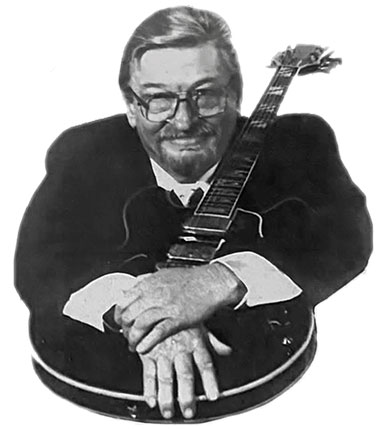
James Bryce Roberson was the son of James H. Roberson and Clara E. (Justice) Roberson of Allen, Oklahoma. He was born on 8 December 1932 in Allen. By the age of 17, Bryce had already become an accomplished musician and was working professionally in California. During the late 1940s, he experienced life on the road as a touring musician with Texas-born blues pioneer T-Bone Walker. By the mid-1950s, he was working with the likes of Dinah Washington, Ramsey Lewis, B.B. King, and others. Legend has it he was the first white musician to ever play New York’s celebrated Apollo Theater.
Chess Records
By 1957 or so, Roberson had settled in Chicago, where he worked as a studio musician and sound engineer at Bill Putnam’s Universal Recording Studios, and for Chess Records at the famed Ter-Mar Studios on South Michigan Avenue. Roberson became a vital part of the “Chess Sound” as he performed on, engineered, or otherwise contributed to (often without credit) hundreds of recordings by Muddy Waters, Chuck Berry, Bo Diddly, and others. While still in Chicago, he would later work on records by the Rotary Connection, American Breed, and The Trolls, to name a few.
“But of all the names these journeyman players can drop, none is spoken with more respect than that of Bryce Roberson, whose work as recording producer and engineer at Chess in Chicago, in his Kalamazoo studio and as guitarist in clubs in both cities, is something of a Midwestern jazz legend.”
—Kalamazoo Gazette. 9 March 1990
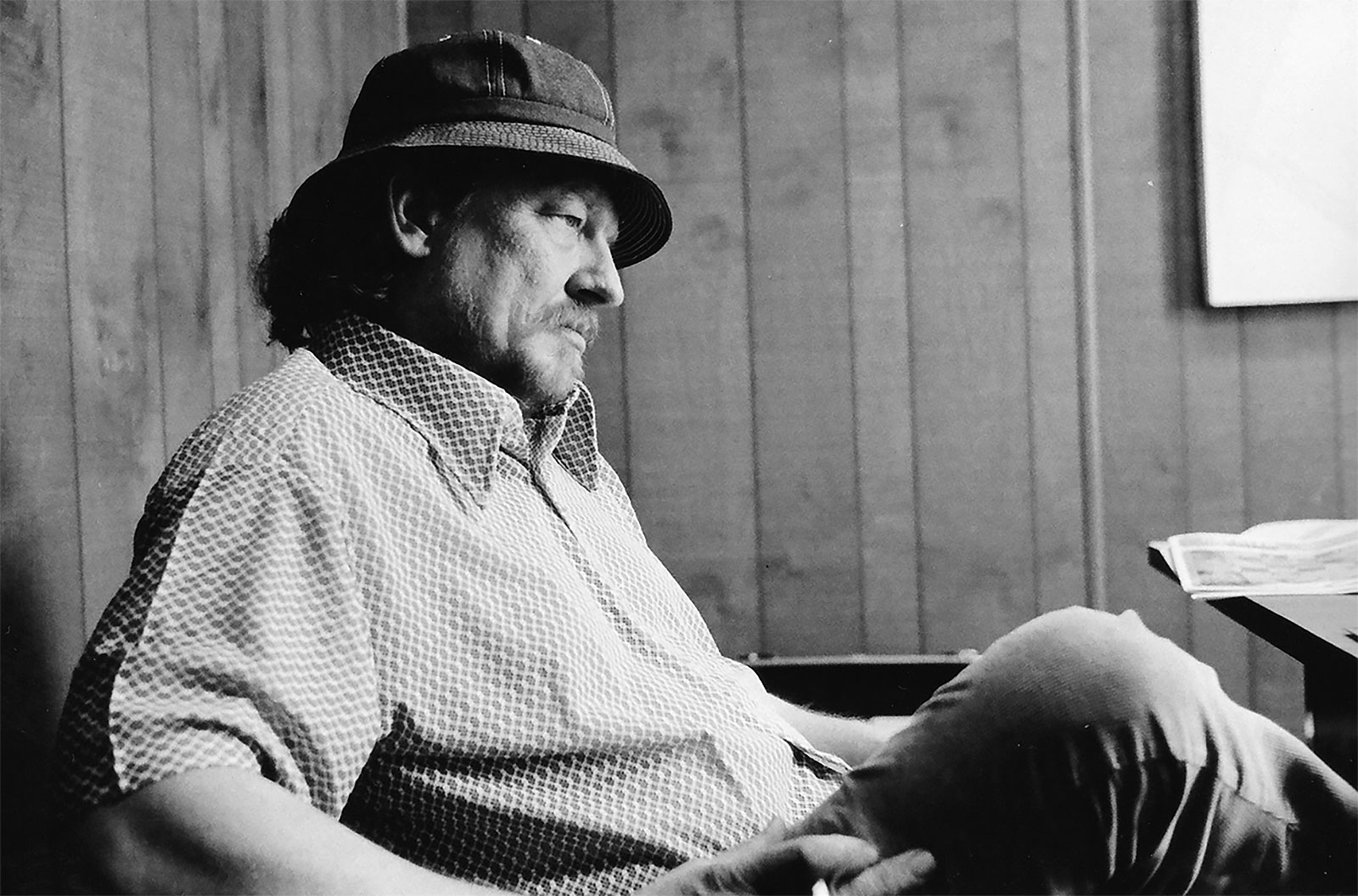 Bryce Roberson. Photo taken by Greg Hockman in his office on Kalamazoo Avenue. Gregory Hockman / Friends of Proco Past
The Sound Machine
After a dozen years at Chess, Roberson grew weary of the “dog-eat-dog” life in the big city. He moved to Michigan with his wife, Ginger, and worked briefly as a sound engineer at Dave Kalmbach’s Great Lakes Recording Studio in Sparta, north of Grand Rapids. In December 1969, the Robersons moved to Kalamazoo and set up a recording studio in the old Burdick Hotel building on Michigan Avenue. They called it the Sound Machine.
 Bryce Roberson (center) at Phase VIII Studio. Kalamazoo Gazette, 13 June 1971
In addition to the Sound Machine, Roberson helped establish a commercial recording studio on North Burdick Street called Phase VIII, a division of Gilmore Advertising. With professional eight-track recording capability, the Phase VIII team produced radio and television soundtracks and radio commercials. Roberson took the role as chief engineer and director of audio production.
Meanwhile, musician and music teacher Charlie Wicks had set up a retail music shop called the Rock ‘n’ Drum Shack in the Burdick Hotel building. Along with guitars, drums, amps, and other musical equipment, Wicks’ store offered a space for musicians (and would-be musicians) to gather, rehearse, and exchange musical ideas. Wicks and Roberson shared a common interest in music and the two became great friends.
 Sound Machine Incorporated, 131 E. Kalamazoo Ave., c.1973. Photo: JHS Pedals (unattributed)
Sound Factory Inc.
As word began to circulate about the impending demolition of the Burdick Hotel block, ahead of the proposed Kalamazoo Center (now the Radisson Hotel), Wicks and Roberson moved into the former Kalamazoo Ice & Fuel Company building on the north side of Kalamazoo Avenue, just east of Burdick Street, where they joined sound tech guru Greg Hockman in a new business venture called Sound Factory Incorporated. The new firm included Wicks’ musical instrument shop, and Roberson’s recording studio, along with Hockman’s tech company, Systems & Technology in Music, Inc., which pioneered a revolutionary line of guitar effects pedals under the SysTech banner.
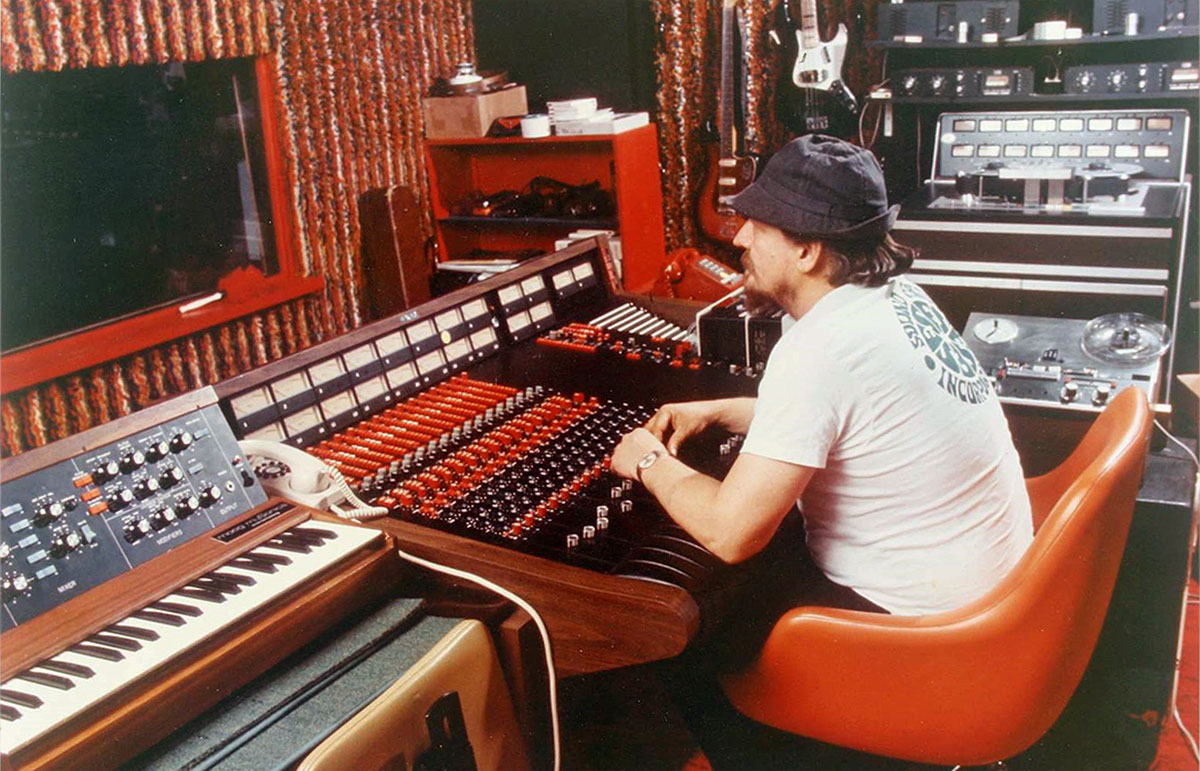 Roberson at his mixing console, Sound Machine Studios, c.1972. photo: Friends of Proco Past
Sound Factory Incorporated was dissolved in 1974, but the story doesn’t end there. Greg Hockman, who once worked as a keyboard tech for musician Keith Emerson, went on to become the North American sales director for Soundcraft, a manufacturer of mixing consoles and other professional audio equipment. Charlie Wicks remained in the building on Kalamazoo Avenue and formed Pro Co Sound, which became an internationally known manufacturer of high-quality guitar and microphone cables and equipment for musicians worldwide. At the center of the complex was Roberson’s recording studio known as Uncle Dirty’s Sound Machine, where, for more than a decade, many of West Michigan’s best-known musicians would come to record.
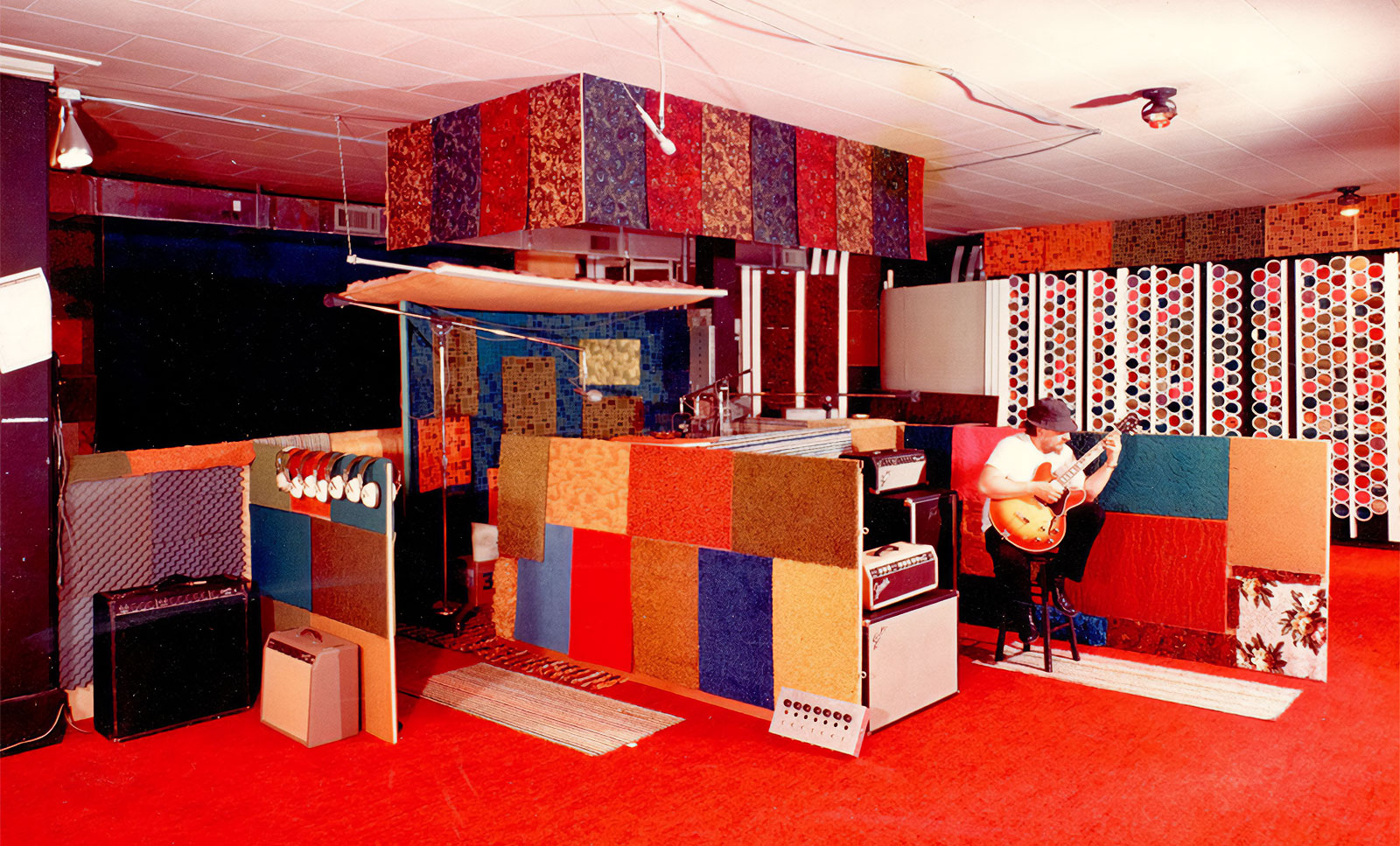 Bryce Roberson in his studio, 133 East Kalamazoo Ave., 1972. Friends of Proco Past
“Every musician in the area recorded there, whether it was their own material or working for Bryce on commercial spots. It was a real vital kind of place.”
—Ron Kurzmann, Kalamazoo Gazette, 5 November 1993
Second Story Sound Shop
The Sound Factory complex on Kalamazoo Avenue would for a time also house J.P. Jenks’ Home Spun Music guitar repair shop, along with a high-end hi-fi audio dealer called Sound Image Associates. In 1981, Roberson partnered with Grand Rapids music merchant John Kik and opened a musical instrument dealership above the recording studio known as the Kik & Associates II “Second Story Sound Shop.”
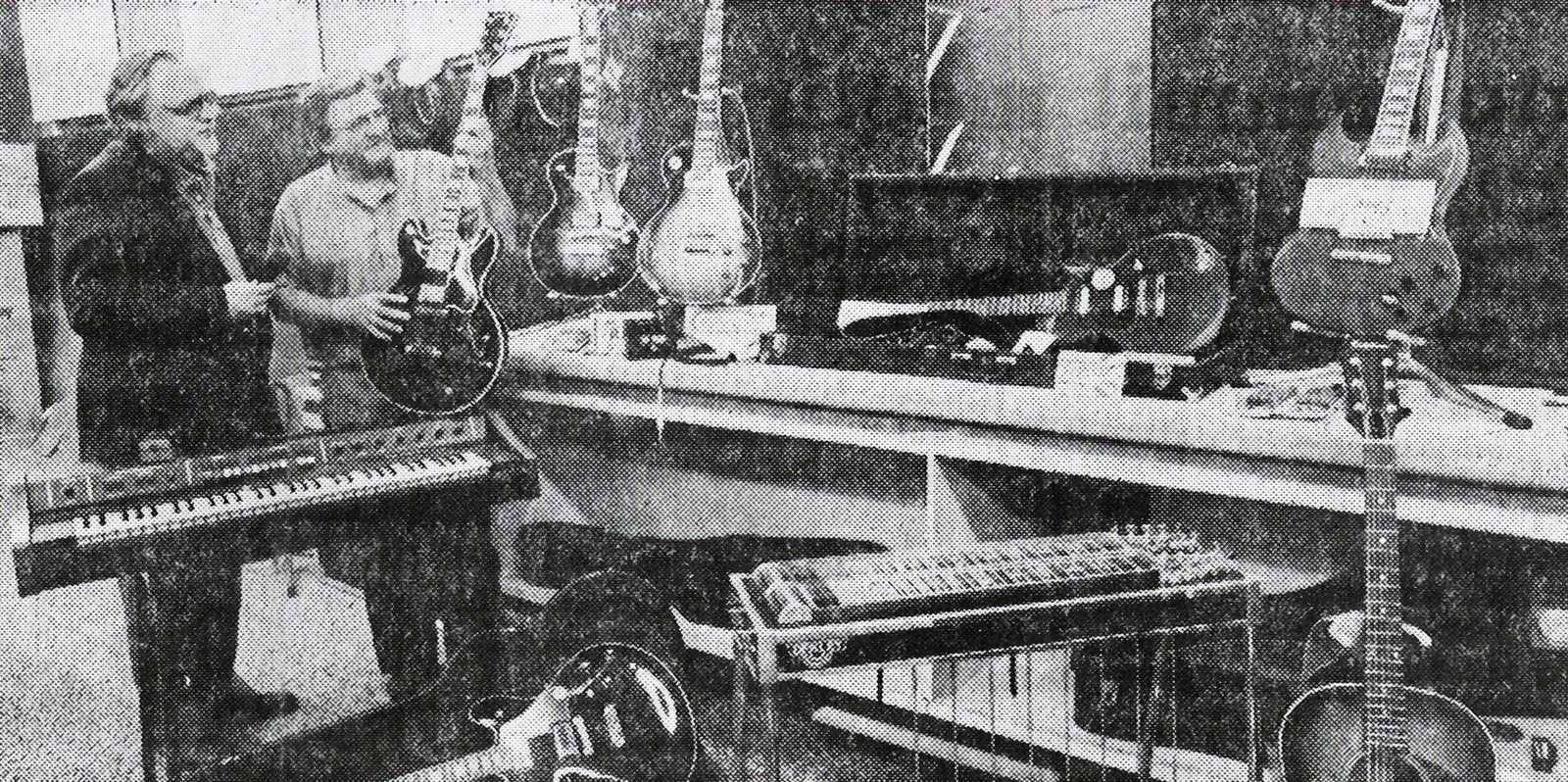 John Kik (left) and Bryce Roberson (right) at the Second Story Sound Shop. Kalamazoo Gazette, 1 November 1981
Uncle Dirty & the Sound Machine
More than anything else, it seems, Roberson enjoyed playing music. A crack guitar player himself, Roberson could play almost any style of music with ease. He put together a jazz group during the 1970s called Uncle Dirty & the Sound Machine, which included keyboardist Christopher Moberley and drummer Ron Kurzmann. The combo played frequently at the Mr. President Restaurant & Lounge on Water Street, and at the Whistle Stop Restaurant inside the former Grand Rapids & Indiana Railroad depot on East Michigan Avenue.
“He influenced a lot of people. He didn’t have a lot of blood relatives in the area but he had a lot of family here.”
—Ron Kurzmann, Kalamazoo Gazette, 5 November 1993
In 1983, Roberson and his wife Ginger moved to Detroit, where they planned to open a recording studio. But those plans failed to materialize, and Bryce returned to sales to make ends meet.
During the latter part of the decade, Roberson began to face health issues and underwent multiple heart bypass surgery. After moving to Arkansas in 1991, Bryce suffered a series of strokes and was later admitted to the AMI Medical Center in Hot Springs, where he passed away on 6 July 1993 at the age of 60. His influence on young musicians throughout the Midwest was profound. To honor his legacy, friends and family established a scholarship fund in his name at the Interlochen Center for the Arts in Grand Traverse County.
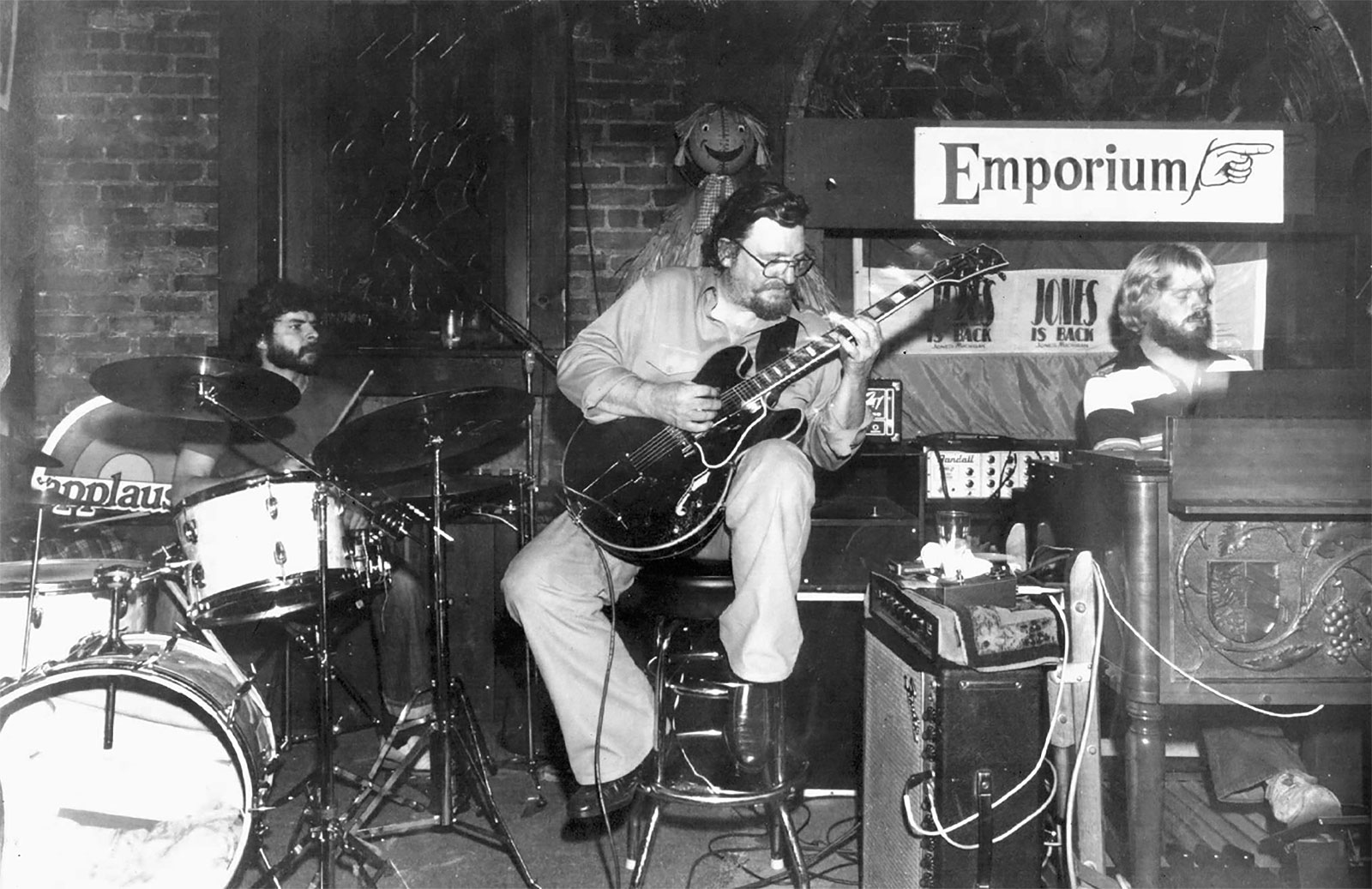 The Bryce Roberson Trio: Mike Roush (dms), Bryce Roberson (gtr), Chris Moberley (org). Kalamazoo, MI, 1980. Friends of Proco Past
Online music marketplace Discogs currently lists more than 100 recordings that feature Roberson’s work, either behind the scenes as an engineer/producer, or as a musician, although that appears to be a tiny fraction of the works Bryce was involved with. Pro Co Sound remained an industry-leading manufacturer until Charlie Wicks death in 2010 at the age of 65. The Pro Co brand continues today as part of ACT Entertainment. The Kalamazoo Gospel Mission now occupies the space on Kalamazoo Avenue where the Sound Factory complex once stood.
Written by Keith Howard, Kalamazoo Public Library staff, July 2025
Sources
Articles
“Hard rock sound is hard to get”
Kalamazoo Gazette, 16 August 1970, page 50 (C-16), column 1
“Recording studio goes into operation”
Kalamazoo Gazette, 13 June 1971, page 32 (B-16), column 3
Display ad
Kalamazoo Gazette, 23 October 1972, page 14 (A-14), column 4
“Recording studio marks 10th anniversary”
Kalamazoo Gazette, 17 May 1981, page 26 (B-6), column 4
“New shop opened by musician”
Kalamazoo Gazette, 1 November 1981, page 88 (G-6), column 1
“Roberson ending 13 years of Kalamazoo performances”
Kalamazoo Gazette, 29 April 1983, page 19 (B-11), column 4
“Guitarist Bryce Roberson to be honored on Sunday”
Kalamazoo Gazette, 21 May 1983, page 8 (A-8), column 5
“Trio’s backgrounds chronicle local club scene history”
Kalamazoo Gazette, 9 March 1990, page 24 (C6), column 1
“Obituaries”
Kalamazoo Gazette, 15 July 1993, page 26 (D2), column 4
“Local guitarist remembered for his enduring works”
Kalamazoo Gazette, 5 November 1993, page 39 (“Friday” page 7), column 1
Websites
Discogs: The world’s most comprehensive music catalog
West Michigan Music Hysterical Society: Archival database for West Michigan music history
History of the Rat: ProCo Rat Pedal, Myths, History, and Timeline (JHS Pedals blog)