 eAudiobook
hoopla Instant
eAudiobook
hoopla Instant
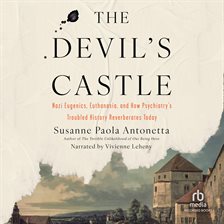
The Devil's Castle
Year
2025
Language
ENGLISH
Duration
11h 34m
Publication Information
Recorded Books, Inc.
Summary
The Devil's Castle delves into the forgotten history of eugenics and links it to present-day psychiatry to explain how we as a culture continue to get mind care so wrong In The Devil's Castle, Susanne Paola Antonetta weaves a haunting narrative that confronts the darkest chapters of psychiatric history while offering a bold vision for the future of mental health care. In 1939, the eugenics movement growing throughout the West did its worst in Nazi Germany. Through the Aktion T4 euthanasia program, five asylums and an abandoned jail were transformed into gas chambers. Tens of thousands of lives--predominantly adults with neuropsychiatric conditions--were extinguished in those structures, ultimately paving the way for the horrors of the Holocaust. Interlacing her experiences of psychosis with the complex history of psychiatry, Antonetta sheds light on the intersections of madness and societal perceptions of mental difference. She brings to life the stories of Paul Schreber and Dorothea Buck, two historical figures who act as models for mind care and acceptance. This gripping exploration traverses the spectrum of neurodiversity, from the devastating consequences of dehumanization to the transformative potential of understanding and acceptance. With The Devil's Castle, Antonetta not only unearths the failures of our past, but also envisions a more compassionate, enlightened approach to consciousness and mental health care. This is a story of tragedy, resilience, and hope--a rallying cry for change that dares to challenge the limits of how we define and support the human mind.