 eBook
hoopla Instant
eBook
hoopla Instant
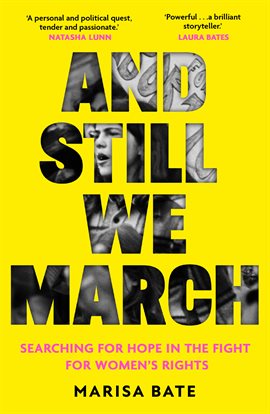
And Still We March
Year
2023
Language
ENGLISH
Publication Information
HarperCollins Publishers
Summary
1974. A 22-year-old Jacqui French stands for a photograph in Omaha, Nebraska, thousands of miles from home. Behind a carefree smile lies a fierce hope, fuelled by the promise of a new beginning and the tapestry of opportunity an America of Gloria Steinem, Dorothy Pitman Hughes, and the newly passed Roe v. Wade, appeared to offer. The world was changing, and women's fortunes seemed to be changing with it. It was this photo of her mother, discovered by accident decades later, that set Marisa on the path to writing this book. The face echoed one she knew intimately, yet the image revealed an untold story. Marisa's memories of her mother are of a woman shorn of that same carefree energy, a mum worn down by the direct actions of men in her life, still resolutely determined to show Marisa and her brother a world wider than their own. Generous with what little time single motherhood and a full-time job afforded her. An inspirational sharer of stories. But tired. Always tired. The photo offered a glimpse of something different, of what came before. Today this story of promise similarly seems at risk of being written over, as women around the world suffer in the face of populism, a politics that thrives on divisiveness, and a determined assault on women's rights. Meanwhile, the women for whom this all feels disturbingly familiar are being lost to time. That same tapestry of opportunity now feels threadbare. Did hope, for Marisa's mother and women like her, get left in 1974? The answer lies in what happened in between. Following a great feminist tradition of sharing women's stories, and with a keen understanding of the principal "the personal is political", Marisa will attempt to fill in the gaps. In “Wild Hope”, Marisa traces her mother's story across decades, following in her footsteps to discover what happened next. In doing so, a much bigger story of women across that same period will be told, as she seeks context for the events that shaped her mother's life.